Paraprofessional Vintage: Graphics for Timeless T-Shirt Designs
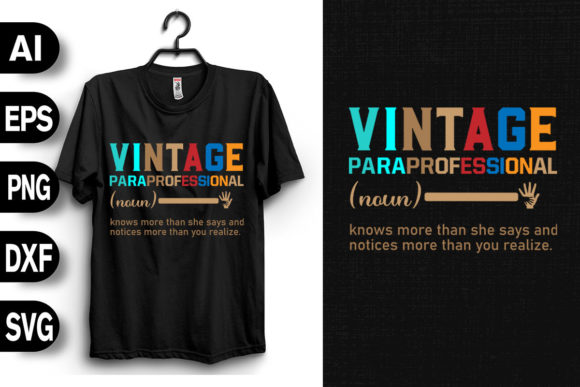
As a designer who regularly works with branding, marketing visuals, and digital design assets, I always approach new creative tools with a critical eye. Paraprofessional Vintage is one such graphic design asset that caught my attention—not just for its aesthetic appeal, but for how it can serve real client projects. This t-shirt SVG design file offers a vintage-inspired look that feels both nostalgic and modern, making it a versatile choice for a range of applications.
The First Impression: A Nostalgic Visual Mood
Upon first glance, Paraprofessional Vintage exudes a warm, retro vibe. The design elements—think distressed textures, subtle grunge, and hand-drawn flourishes—create a visual mood that feels authentic and layered. It’s the kind of design that could easily be mistaken for a vintage poster or an old-school logo. This makes it ideal for clients looking to evoke a sense of history, craftsmanship, or handmade authenticity in their brand identity.
For a small business or boutique product line, this design could be the perfect fit. Whether it's for a seasonal campaign, a local event, or an Etsy shop, Paraprofessional Vintage brings a sense of character that stands out in a sea of generic designs.
Real-World Design Applications
Paraprofessional Vintage performs well in a variety of design situations. In logo design, it adds a unique flair that can differentiate a brand from competitors. For brand identity, it offers a cohesive look that can be adapted across different mediums—t-shirts, mugs, stickers, and more. When used in packaging design, it gives products a vintage feel that appeals to customers seeking something special and artisanal.
In social media graphics, this design can act as a strong visual anchor. Whether it's for Instagram posts, Pinterest pins, or Canva templates, Paraprofessional Vintage brings a level of sophistication that elevates the overall aesthetic. For editorial design or web design, it serves as a compelling background element or decorative accent that enhances the visual hierarchy without overwhelming the content.
Where Paraprofessional Vintage Shines
This design excels in large layout areas, hero graphics, and product mockups. Its intricate details work best when given space to breathe, making it a great choice for banners, posters, or website headers. As part of a themed collection, it can be paired with other vintage-style elements to create a cohesive visual language.
It also shines in printable designs, especially for t-shirt designs, sticker designs, and Canva templates. The SVG format ensures scalability, while the PNG version provides flexibility for use in various platforms. For Cricut projects, it’s a reliable asset that translates well into physical merchandise like tote bags, phone cases, and pop sockets.
Where to Use with Caution
While Paraprofessional Vintage is a strong design asset, it may not be the best choice for every project. In small sizes, the details can become lost, making it less effective. Crowded layouts may dilute its impact, and complex backgrounds can clash with its vintage aesthetic.
Minimalist branding or professional corporate materials might find the design too ornate. If the goal is clean, modern design, then Paraprofessional Vintage could feel out of place. It’s important to consider the visual hierarchy and ensure that the design supports, rather than complicates, the message being conveyed.
Impact on Branding and Audience Engagement
When used effectively, Paraprofessional Vintage can significantly enhance a brand’s visual identity. It adds emotional appeal, helping to build a connection with the target audience. The vintage style often evokes trust and familiarity, which can be powerful in marketing visuals and print-on-demand projects.
For small business branding, this design offers a way to stand out without breaking the bank. It’s a cost-effective solution for handmade businesses or local entrepreneurs looking to create a polished look. By incorporating this design into product mockups or packaging, designers can help their clients achieve a professional appearance that resonates with customers.
Practical Designer Notes
Before using Paraprofessional Vintage for a client project, there are several practical steps to take. Test it in black and white to see how it holds up without color. Check contrast on light and dark backgrounds to ensure visibility. Preview it at small and large sizes to understand its scalability.
Place it on real mockups to get a sense of how it looks in context. Test print quality to confirm that the design translates well to physical products. Review file formats to ensure compatibility with your workflow. If transparency is involved, inspect the PNG design carefully.
Check the commercial license to make sure it’s suitable for your client’s needs. Compare it with different font styles to see how it interacts with text. This design works well with serif fonts, but may need adjustments when paired with sans serif or script fonts.
Conclusion: A Valuable Addition to Your Design Toolkit
Paraprofessional Vintage is more than just a t-shirt SVG design—it’s a creative tool that can elevate a wide range of projects. Whether you’re working on a handmade business, a seasonal campaign, or a print-on-demand product, this design offers versatility, character, and a touch of nostalgia that can set your work apart.
As a designer, I recommend considering Paraprofessional Vintage when the goal is to add a vintage flair to a project. It’s a reliable asset that can help create a cohesive, visually appealing brand presence. Just remember to use it thoughtfully and test it thoroughly before finalizing any client work.